
.svg)

Can AI Make Garden Design More Accessible? A Conversation Worth Having
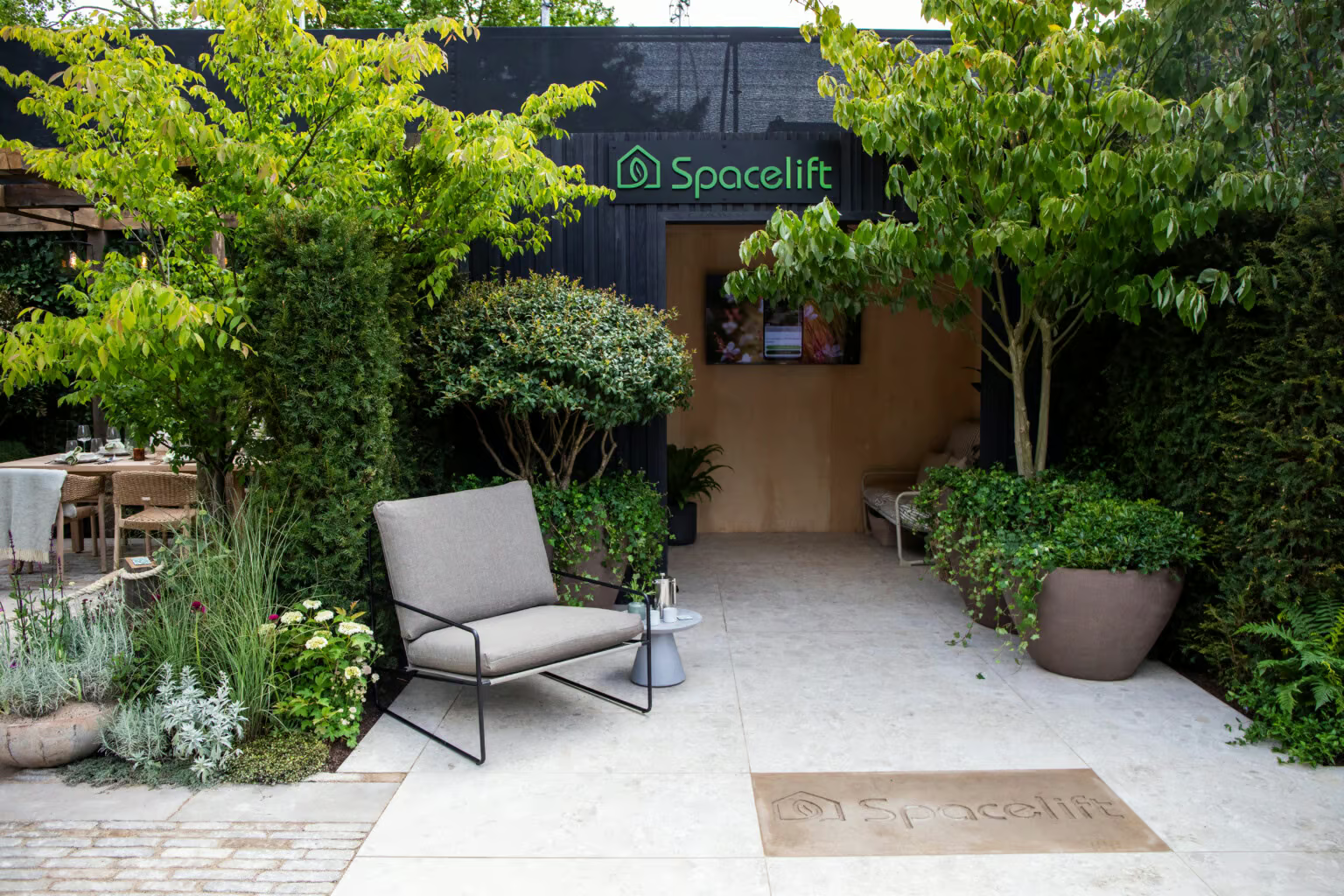
The RHS Chelsea Flower Show has never been short of innovation. But 2026 may mark a turning point, not just in how gardens are designed, but in who gets to design them.
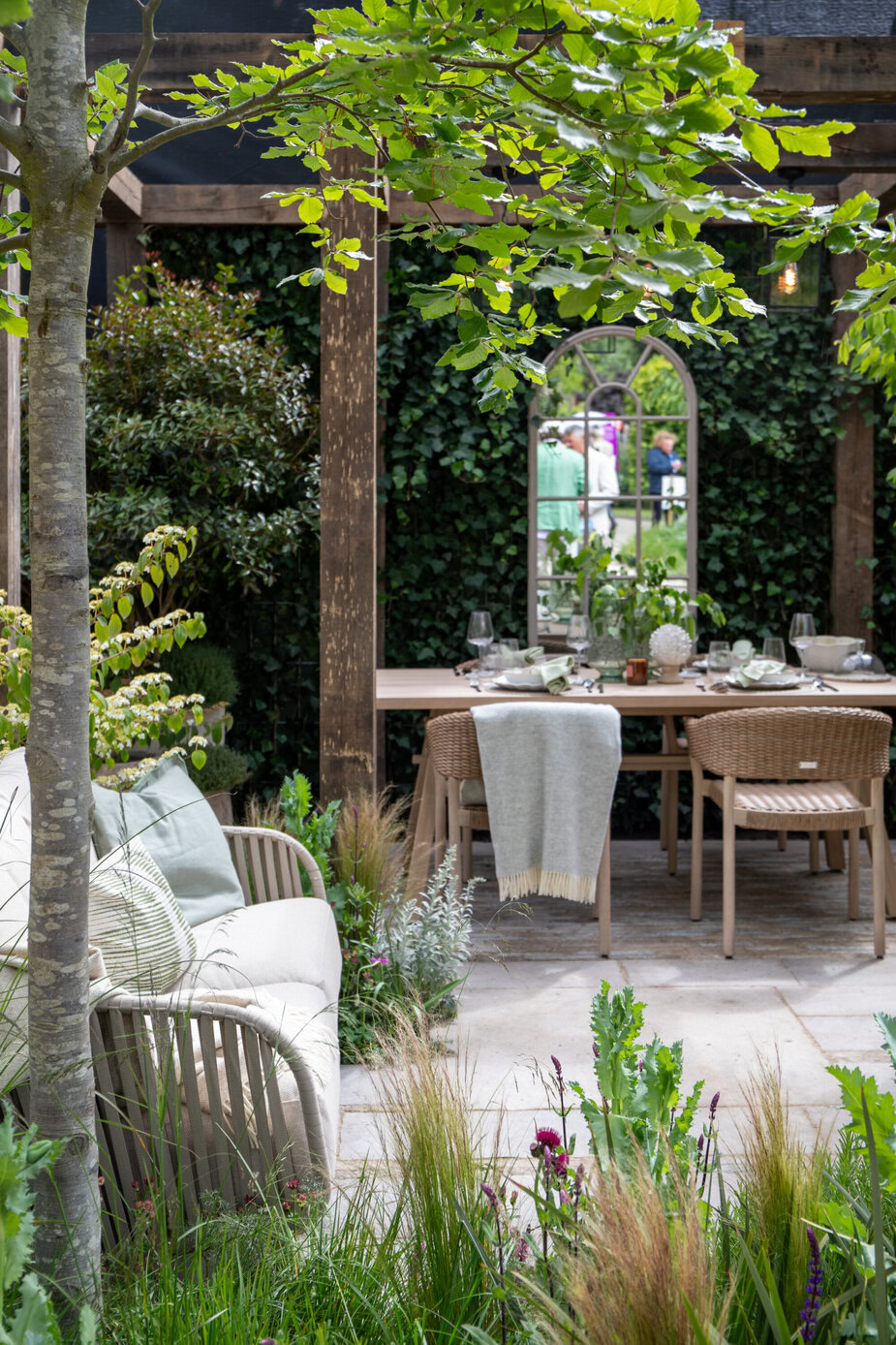
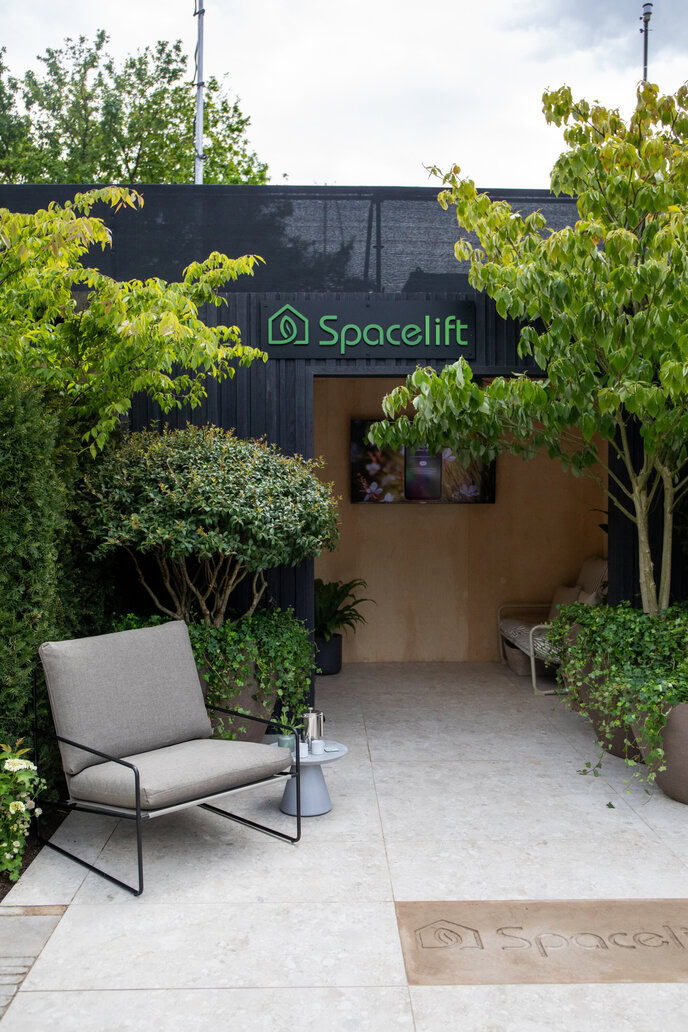
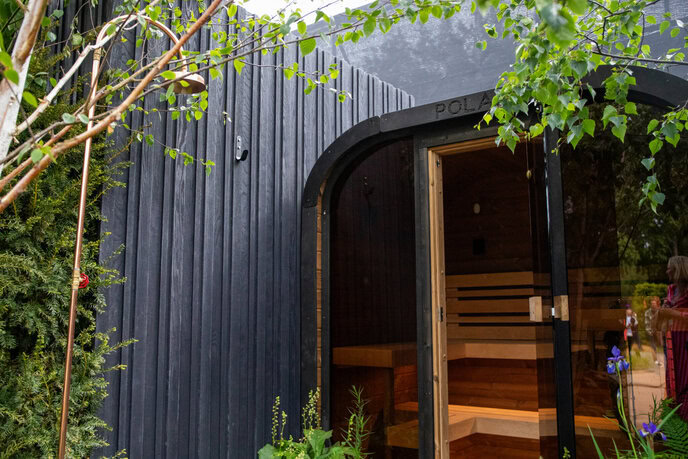
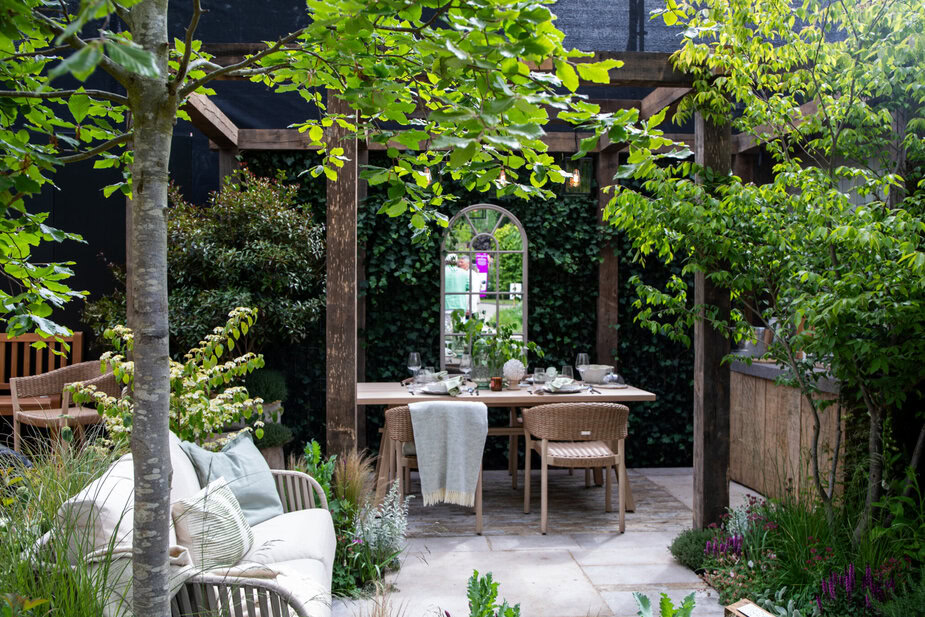
This year, award-winning landscape designer Matt Keightley unveiled three full-scale gardens at Chelsea, each created using Spacelift, an AI-assisted garden design platform he co-founded. The gardens range from a compact urban terrace to a rural retreat, to a woodland-themed wellbeing space, the last of which features Millboard Board & Batten cladding as part of its material palette.
We were delighted to have our product showcased in that setting. But beyond our own involvement, the wider story here is one worth unpacking: what does AI-assisted design actually mean for people who love their gardens?
What Is Spacelift?
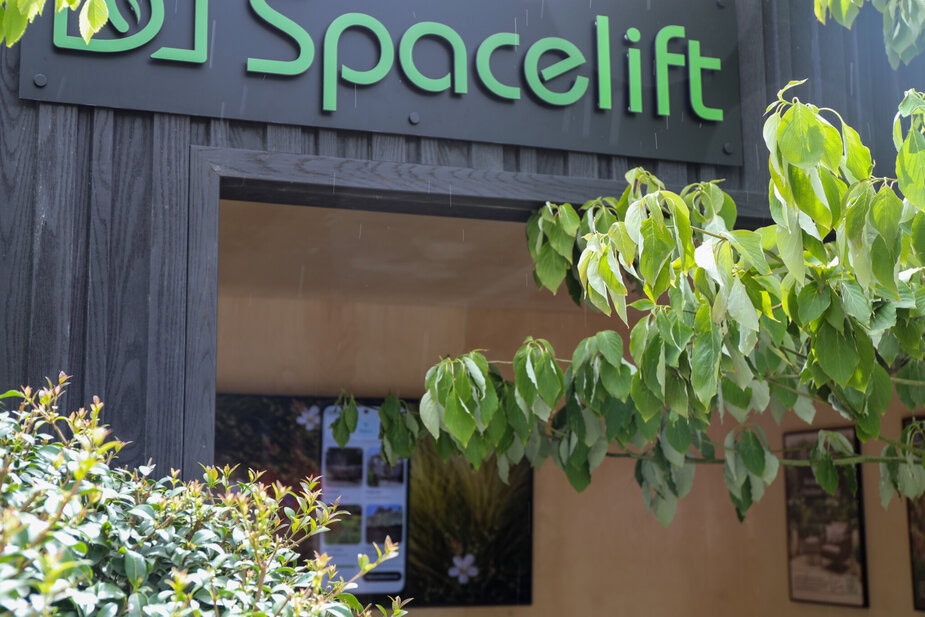
Spacelift is a subscription-based platform, co-founded by Keightley and CEO Maeve McDonald, that combines AI, spatial mapping and digital planning tools to help homeowners design their outdoor spaces. Users can map their gardens, generate tailored design concepts, and receive scaled layouts, planting plans and materials specifications. The platform is available at spacelift.ai.
According to the company, the platform draws on principles from Keightley’s professional methodology, including spatial flow, planting composition and environmental response. Outputs include photorealistic visualisations alongside technical plans designed to be build-ready, with links to suppliers and local trades built in.
With reportedly 9,000 people already on the waitlist, demand appears strong. Future developments are expected to include plant health monitoring, biodiversity planning and sustainability tracking.
The Accessibility Argument
The most compelling case for tools like Spacelift is not about replacing professionals. It is about reaching people who currently have no access to professional garden design at all.
Professional garden design has historically been a premium service. For most homeowners, the cost of a bespoke design consultation is simply out of reach. Many people muddle through with a combination of inspiration from shows like Chelsea, online browsing, and trial and error, often resulting in outdoor spaces that never quite fulfil their potential.
An AI-assisted tool that can take someone’s specific garden dimensions, orientation, soil conditions and style preferences, and generate a coherent, buildable plan, could genuinely open up a level of design quality that was previously inaccessible. That is a meaningful shift.
The counterargument, that such tools devalue the craft of professional design, is understandable. But Spacelift itself pushes back on this framing. The platform’s position is that it serves people who are currently priced out of professional design entirely, and that users who engage with it arrive at the point of implementation better informed and with clearer briefs. Whether that proves to be the case in practice remains to be seen.
AI and the Question of Authenticity
There is a broader question, one that surfaces across creative industries, about what is lost when a tool does the conceptual work.
A garden is, for many people, deeply personal. It is tied to memory, to how they use outdoor space, to what they find beautiful. The process of working with a designer, walking a site, discussing ideas over time, is itself part of how people form a relationship with their outdoor environment.
AI tools can produce impressive outputs, but they cannot replicate that process. They can translate a brief into a visual and a plan; they cannot ask the right questions in the way an experienced designer can,or pick up on the things a client does not know to say.
That does not make such tools less valuable. It simply means they serve a different purpose. For someone starting from scratch with a blank lawn and no idea where to begin, an AI-generated starting point could be exactly what they need. For someone wanting a truly personal, considered outdoor space, the human element may still be irreplaceable.
Gardens, Wellbeing, and Getting More People Outside
The woodland-themed wellbeing space at Chelsea, where Millboard Board & Batten+ cladding appears as part of the design, is a small but telling example of how outdoor spaces are increasingly understood in terms of their contribution to mental and physical wellbeing.
Research consistently supports the value of time spent in green, natural environments. And if AI tools can help more people move from “I’d love to do something with the garden” to actually doing something, that is genuinely positive, regardless of how the design was generated.
We are not suggesting technology replaces the experience of being in a garden, or the satisfaction of a space that has been carefully designed and installed. But if the result is more people spending more time in well-designed outdoor spaces, it is hard to argue with the outcome.
millboard’s role at chelsea 2026
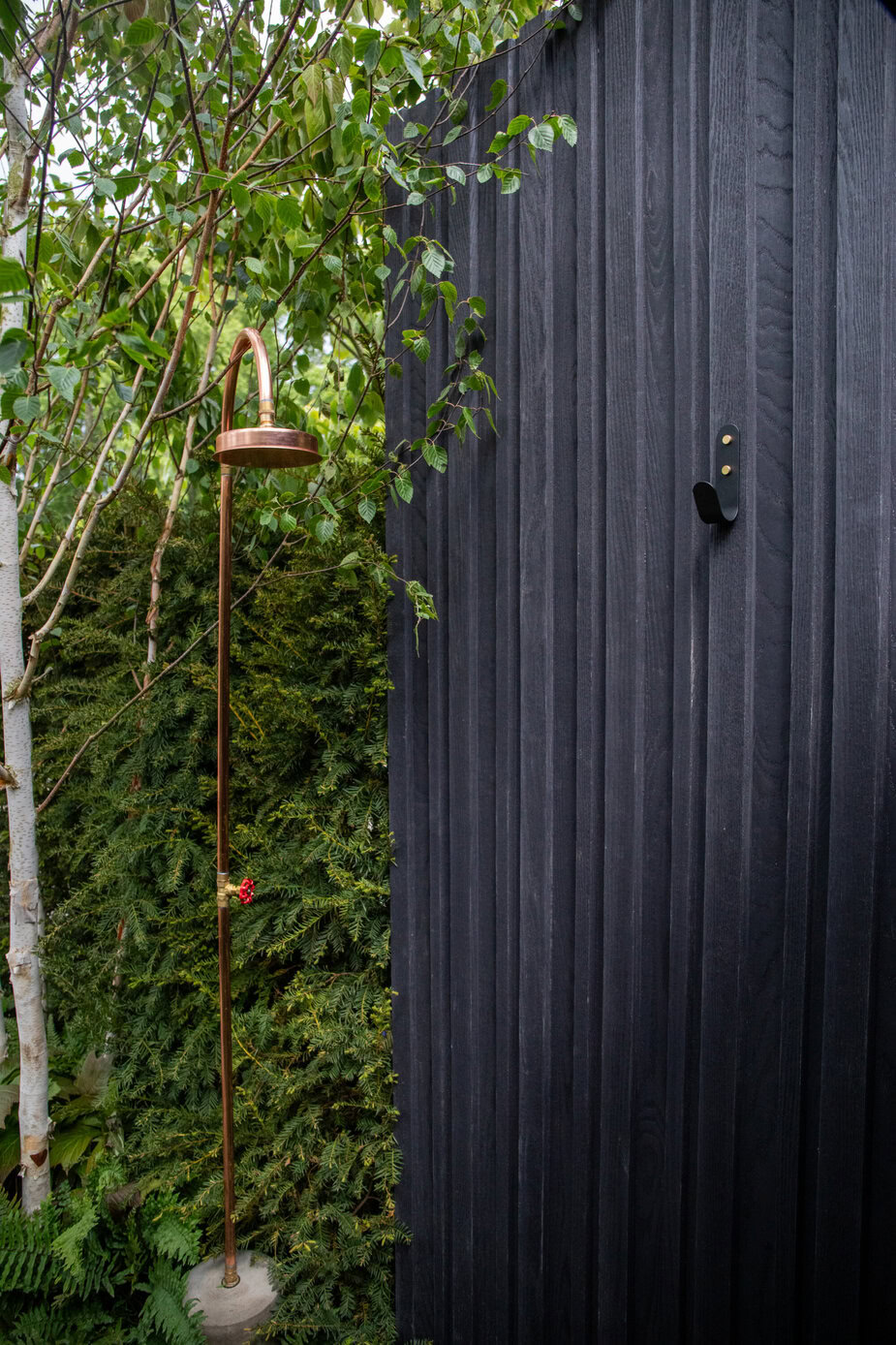
Millboard was pleased to supply Board & Batten+ cladding for the woodland-themed wellbeing garden at this year’s show. The space was designed using the Spacelift platform and forms one of three installations created by Matt Keightley to demonstrate the capabilities of AI-assisted design at full scale.
The Board & Batten profile is part of our wider cladding range, designed to bring the warmth and character of natural timber to outdoor structures without the maintenance demands. In a space focused on nature-led wellbeing, the material felt well suited to the brief.
We will be keeping a close eye on how the conversation around AI in garden design develops. It raises legitimate questions about craft, creativity and accessibility, all of which matter to how outdoor spaces are designed and built.
a balanced view
AI in garden design is neither a silver bullet nor a threat. Like most tools, its value depends entirely on how it is used and who it is used by.
For homeowners who want a better-informed starting point, it offers something genuinely useful. For professionals, it may ultimately mean more clients arriving with clearer expectations and more realistic briefs. For the industry as a whole, the interesting question is how this technology develops and where the boundaries between tool and designer end up being drawn.
We did not attend Chelsea this year to make a statement about AI. We were simply pleased to have Millboard materials chosen for one of the spaces. But it would be disingenuous not to acknowledge that the context is interesting and the conversation, one we think is worth having openly and without too much hype in either direction.
Visit the Spacelift Gardens at Chelsea
The RHS Chelsea Flower Show runs from 19–23 May 2026. The three Spacelift gardens, including the woodland-themed wellbeing space featuring Millboard Board & Batten cladding, are located in the Feature Gardens area and are well worth seeing in person. The scale, materiality and planting come across very differently at full size than in photographs.
If the Spacelift gardens have sparked ideas for your own outdoor space, whether a garden project, an outdoor living area, or a commercial landscape scheme, you can explore our full range of Board & Batten cladding on the Millboard website or order a free sample to see and feel the finish for yourself.