
.svg)

RHS Chelsea Flower Show in full bloom
The trends, colours and show gardens you need to know about
There is nothing quite like Chelsea week. The moment you step through the gates at the Royal Hospital Chelsea, the outside world seems to fall away, replaced by the scent of warm earth and fresh blooms, the low hum of anticipation, and the unmistakable sense that what you’re seeing here will shape how the rest of us garden, design and think about outdoor space for years to come.
The RHS Chelsea Flower Show has held that power since 1913. And the 2026 edition, open to the public from 19 to 23 May, shows no sign of relinquishing it. With 13 extraordinary show gardens, a Great Pavilion filled with the world’s finest nurseries and growers, and a theme running through the entire event of nurturing nature and the power of the flower, this year feels particularly purposeful and particularly beautiful.
There is added cause for celebration this year: for the first time since before the COVID pandemic, the show has sold out ahead of opening day. All 150,000 tickets are gone, a milestone that matters well beyond the attendance figures. Ticket sales are the RHS’s single biggest fundraiser, supporting community gardening programmes across the UK and funding the scientific research that underpins gardening advice for millions of people. It is a sign of how much appetite there is, right now, for exactly what Chelsea offers
We have spent the morning at Press Day walking the grounds, notebook in hand, so here is what we think you need to know.
the big themes: what is chelsea saying in 2026?
If there is a mood running through this year’s show, it is one of joy and quiet purpose. Designers are channelling their passion for the environment into spaces that feel genuinely inviting, places you want to linger in rather than simply admire. The result is a show that feels both meaningful and, above all, beautiful.
Three broad themes recur across the Main Avenue and beyond:
Biodiversity within structure. The tension between formal design and naturalistic planting, one of the most productive forces in contemporary garden design, has found a new equilibrium. Designers are no longer choosing between the two. Instead, the best gardens here use precise geometry and clear layout to frame genuinely wild planting: pollinator strips tucked alongside contemporary terraces, meadow patches edged within walled enclosures, bog gardens meeting clean stone. The message for outdoor living is clear: you can have a beautifully designed, structured space and still give nature room to breathe within it.
Japanese influence. Several gardens draw directly from Japanese design philosophy: the concept of wabi-sabi (the beauty found in imperfection and impermanence), yohaku no bi (the beauty of empty space), and the idea of harmony between structure and the natural world. Expect calm compositions, restrained material palettes, considered negative space, and planting that rewards slow observation.
Heritage and place. Britain’s landscape, history and cultural identity run through several gardens this year, from the four Historic Royal Palaces to the overlooked edge lands of England’s countryside. There is a renewed pride in the specificity of place, and a rejection of the generic.
the colour story
Chelsea is always one of the most reliable barometers for colour in the garden, and 2026’s palette is rich and deliberate.
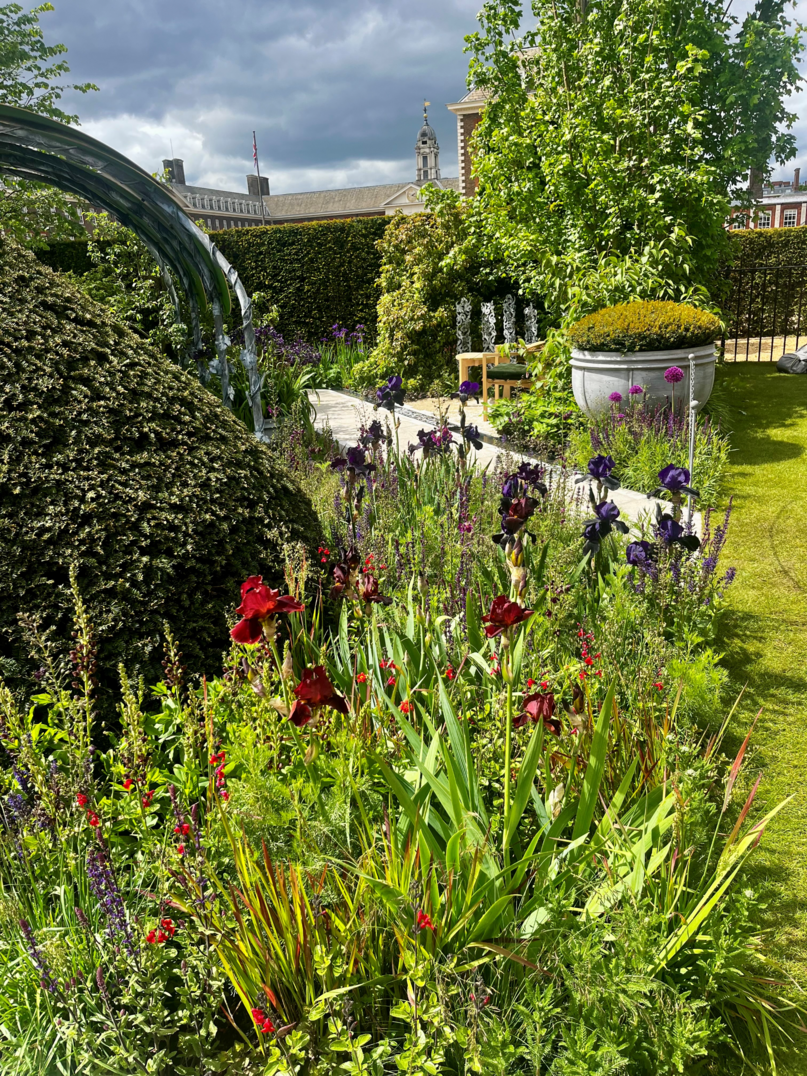
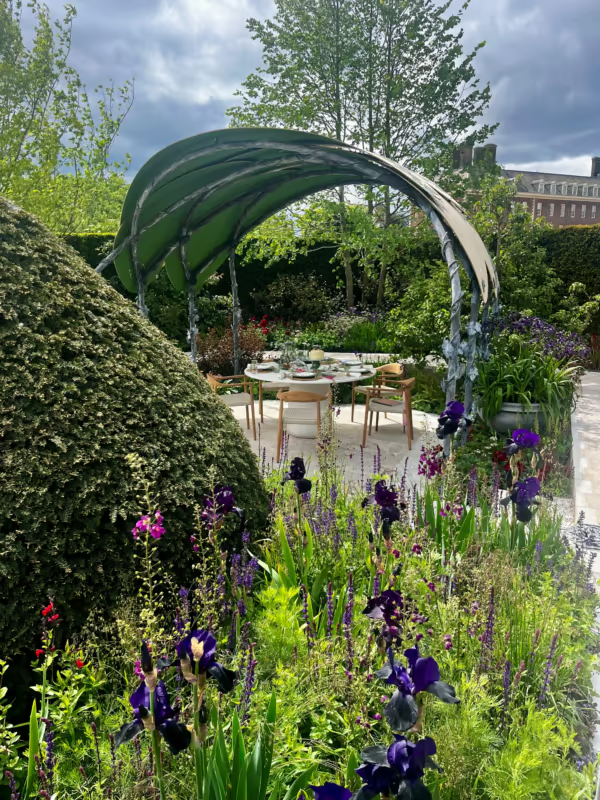
Jewel tones are back with conviction. Catherine MacDonald’s Boodles Garden, inspired by the Historic Royal Palaces, leans into what the RHS describes as a “romantic, gardenesque style” with a palette rooted in deep jewels. Think sapphire, ruby and amethyst. These are colours that carry weight, that feel considered rather than accidental. Used alongside mature foliage and textured stone, they feel anything but gaudy.
Warm, sun-baked naturals. Elsewhere, the sun-bleached palette of the Western Australian outback makes an appearance in Max Parker-Smith’s Journey Beyond the Tracks garden. Ochre, sand, rust and dried grass tones speak to drought-tolerance as much as aesthetics. These earthy hues are particularly relevant for outdoor spaces: they age beautifully, they sit well with natural materials, and they connect a garden to the wider landscape.

Soft structural greens. Japanese-influenced gardens bring a quieter colour story: moss greens, deep shadow, pale stone, minimal flower colour. It is a palette that asks you to slow down, and in the context of an outdoor living space, it creates something genuinely restful.
the gardens we love
The Tate Britain Garden, designed by Tom Stuart-Smith
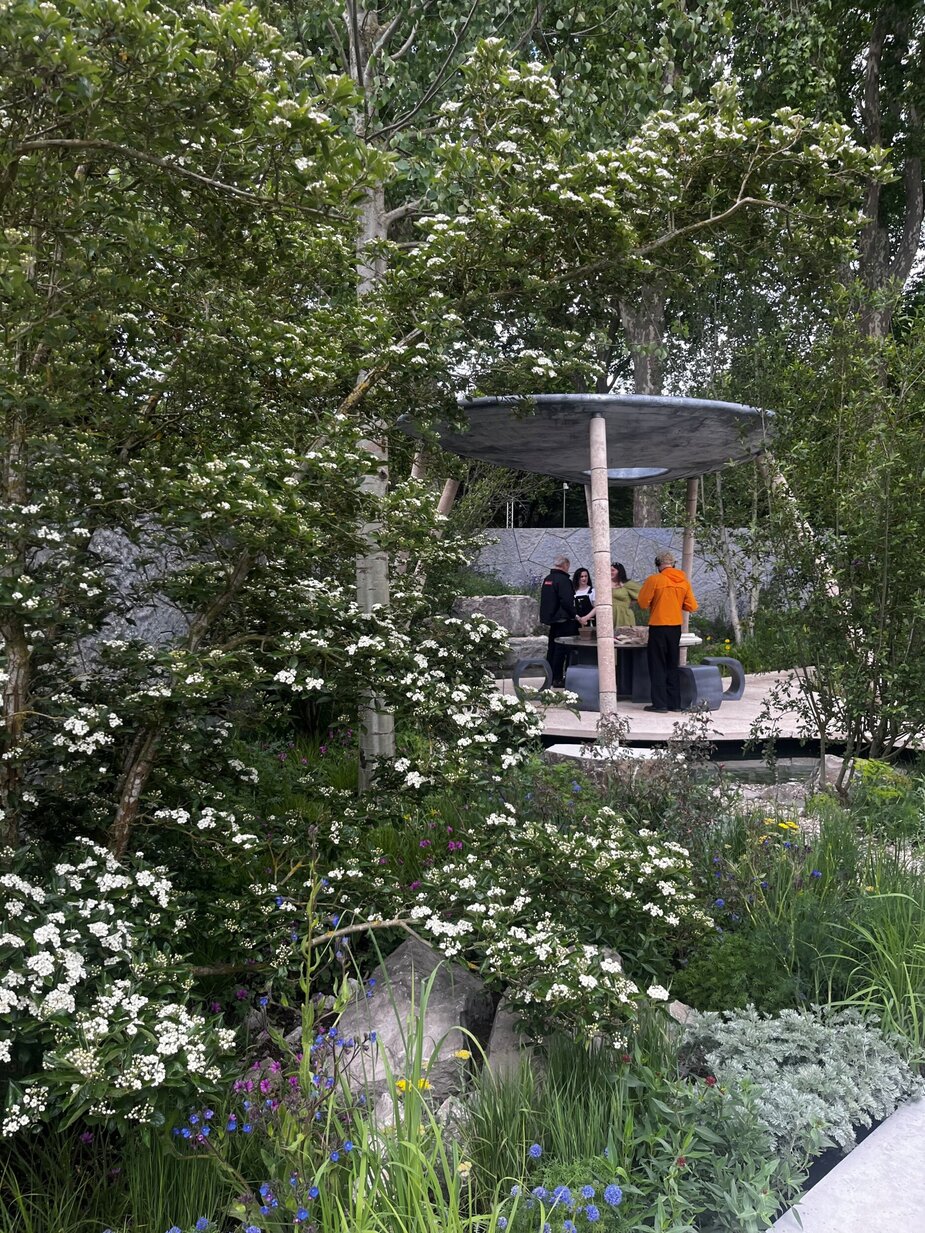
Tom Stuart-Smith is one of the most respected names in landscape architecture, and his 2026 garden is perhaps the most talked-about of the show. Inspired by East Asian woodlands, it offers a preview of the Clore Garden opening at Tate Britain in Autumn 2026: a permanent new green space for London that marries art, nature and community within a biodiverse planting scheme. A centrepiece sculpture by a leading British artist sits at its heart.
This garden has a very calm and composed atmosphere, despite the energy of the show around it. The soft layers of green and silver planting blend beautifully with the stone and water elements, creating something reflective rather than dramatic. The sculpture sits naturally within the landscape and gives the space a quiet artistic quality without overpowering it.
The Boodles Garden, designed by Catherine MacDonald
Following her acclaimed 2025 Raindance garden, Catherine MacDonald returns with a design inspired by the four Historic Royal Palaces: the Tower of London, Hampton Court and beyond. The romantic, gardenesque style of planting uses jewel-coloured cultivated species in a way that feels simultaneously historic and entirely contemporary.
Deep reds, burgundies and purples add warmth and depth, almost echoing velvet and tapestry fabrics. It also creates strong contrast throughout the garden, while the reflective water feature softens the overall effect and brings a sense of calm. The pavilion is a real focal point, but the surrounding planting stops it from feeling too architectural. There is a string sense of craftmanship in the detailing, from the metalwork to the containers, which make the whole garden feel elegant, immersive and carefully composed.
The Parkinson’s UK Garden, designed by Arit Anderson
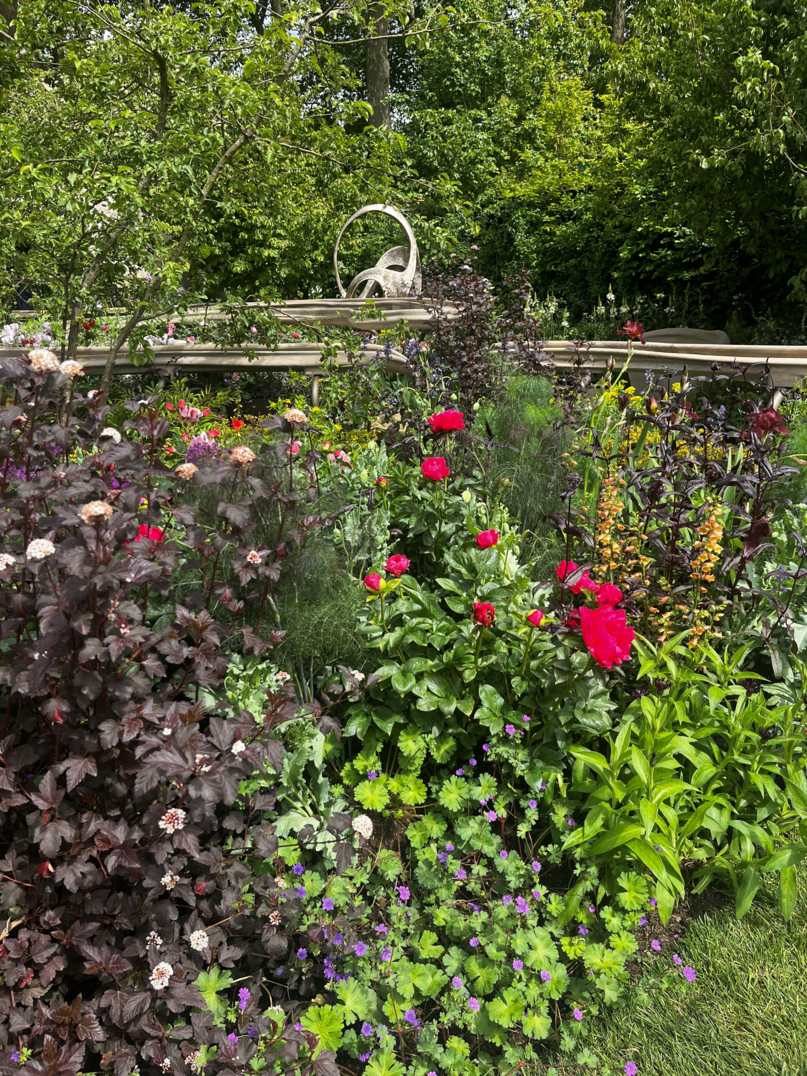
Arit Anderson’s garden is destined for John Radcliffe Hospital once the show closes, a meaningful legacy that adds weight to an already quietly powerful design. Divided into three sensory zones (energising, restful and night-time), it uses colour, texture and planting to reflect the lived experience of Parkinson’s and offer comfort and calm.
A garden with a very compassionate and thoughtful atmosphere, designed in a way that feels both supportive and uplifting. The gently winding pathways and varied levels seem to reflect the unpredictability of living with Parkinson’s, while still allowing the space to feel calm and accessible. The planting is soft and naturalistic, with layers of grasses and perennials helping to create movement and texture throughout the garden.
The seating areas and quieter corners give the impression of places intended for rest, conversation and reassurance rather than simply visual impact. Subtle contrasts in materials and planting added interest without making the space feel busy or overwhelming. The garden balances sensitivity with optimism and feels designed around real human experience rather than purely aesthetics.
The RHS and The King’s Foundation Curious Garden, designed by Frances Tophill
Designed by Frances Tophill and backed by an eye-catching line-up of supporters including Sir David Beckham and Alan Titchmarsh, this garden carries a simple ambition: to remind people why gardening matters and invite more of them into it.
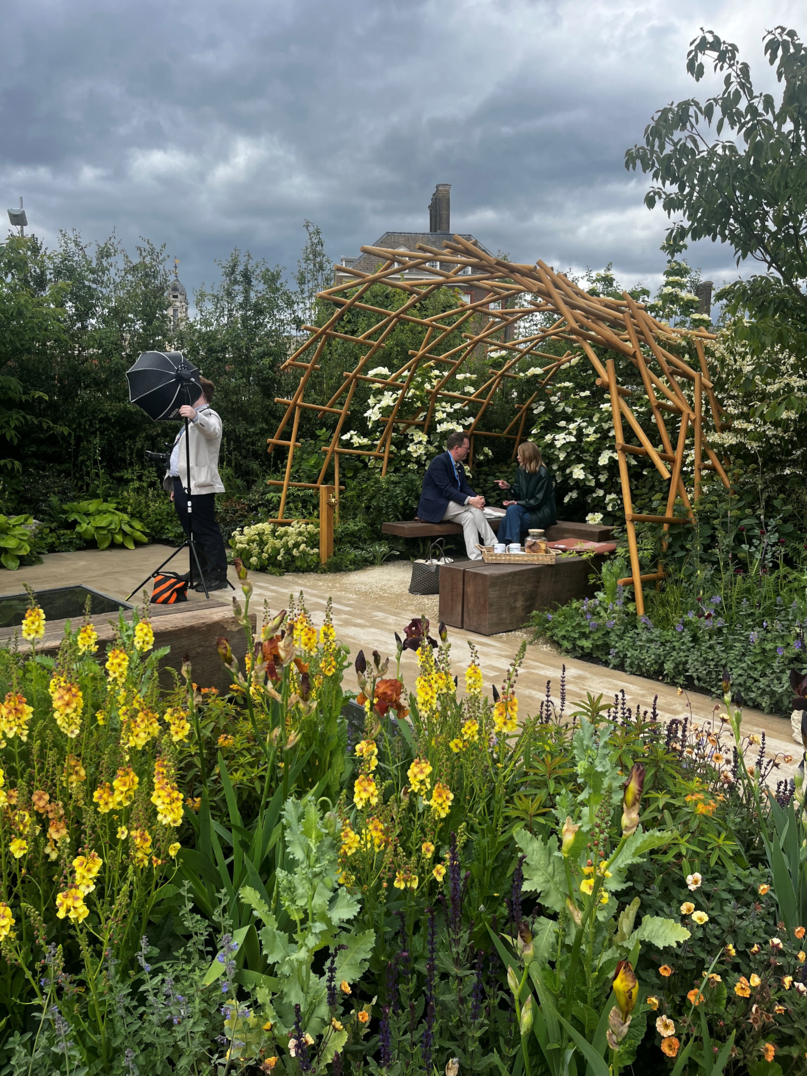
Accessible, joyful and beautifully made, this garden is full of warmth, texture and informality. The relaxed planting style, edible elements and softer layout makes the space feel inviting rather than overly designed. Layers of scent, texture and detail reveal themselves gradually, giving the garden a playful and characterful atmosphere.
The Lady Garden Foundation ‘Silent No More’ Garden, designed by Darren Hawkes
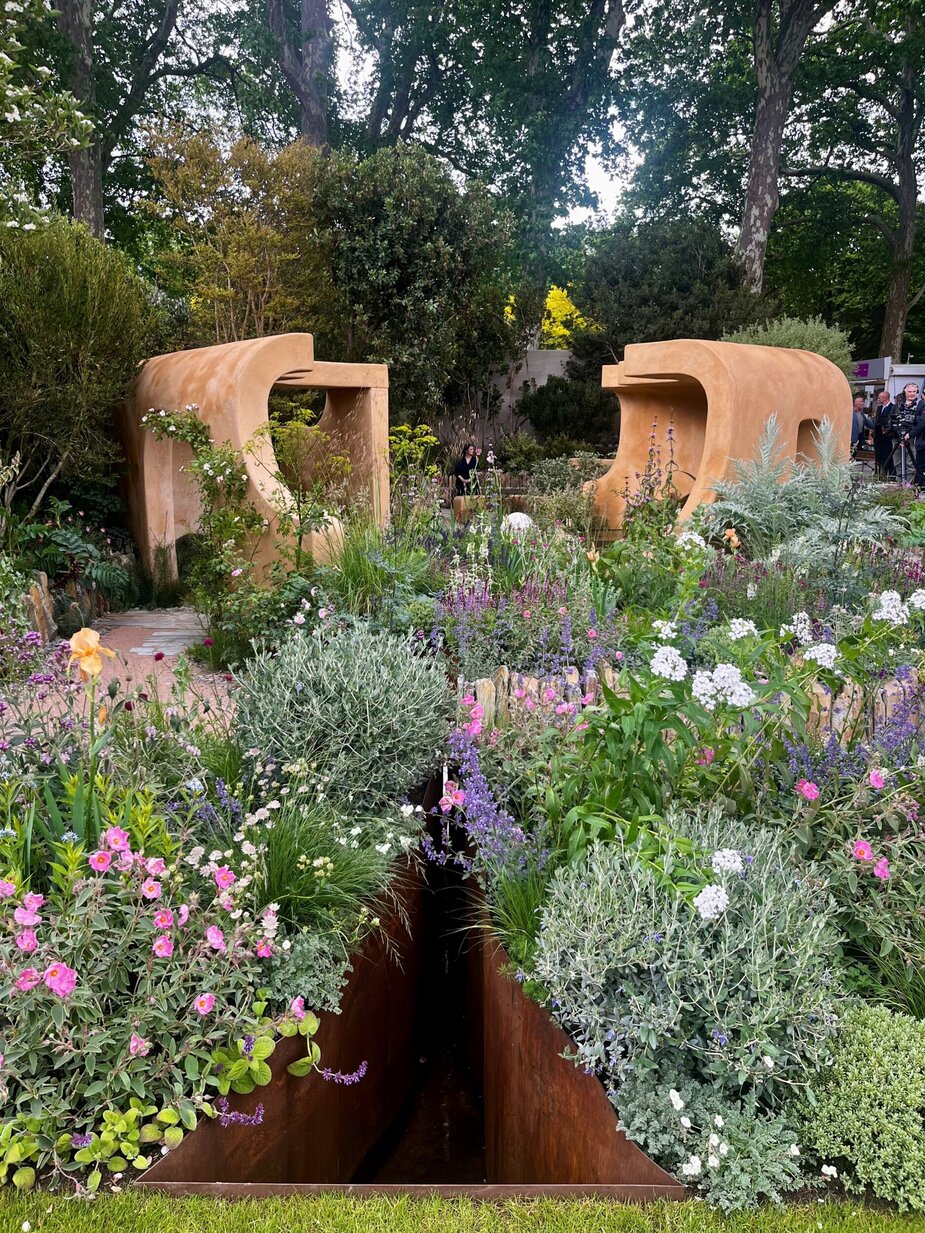
Few gardens at this year’s show carry a more powerful message. Designed by RHS Gold Medal-winner Darren Hawkes, this Main Avenue garden was created to raise awareness of the five gynaecological cancers, which together claim 21 women’s lives every day in the UK.
Rather than confronting, it draws you in: a winding path through richly planted borders, five sculptures each representing one of the cancers, water flowing from a central pool through deep rills, and intimate seating spaces designed to encourage the kind of open conversations that save lives. The planting shifts from soft greys, pinks and blues into bolder, more vibrant tones, a reflection of the charity’s fearless spirit.
Standing in this garden, it is hard not to be moved. The sculptural forms at its heart are extraordinary up close, terracotta-rendered, monumental yet strangely tender, drawing you into the space rather than holding you at a distance. The planting does something similar: soft and layered at first, building gradually into something bolder and more defiant. It is a garden that starts a conversation without saying a word, and that is a rare and remarkable thing.
what we’re seeing in the great pavilion
Inside the Great Pavilion, the world’s leading nurseries and growers compete for the Plant of the Year title and the prestigious RHS Sustainable Excellence Awards. This is where Chelsea’s influence on the nursery trade is most directly felt. Whatever wins here will be in high demand by summer.
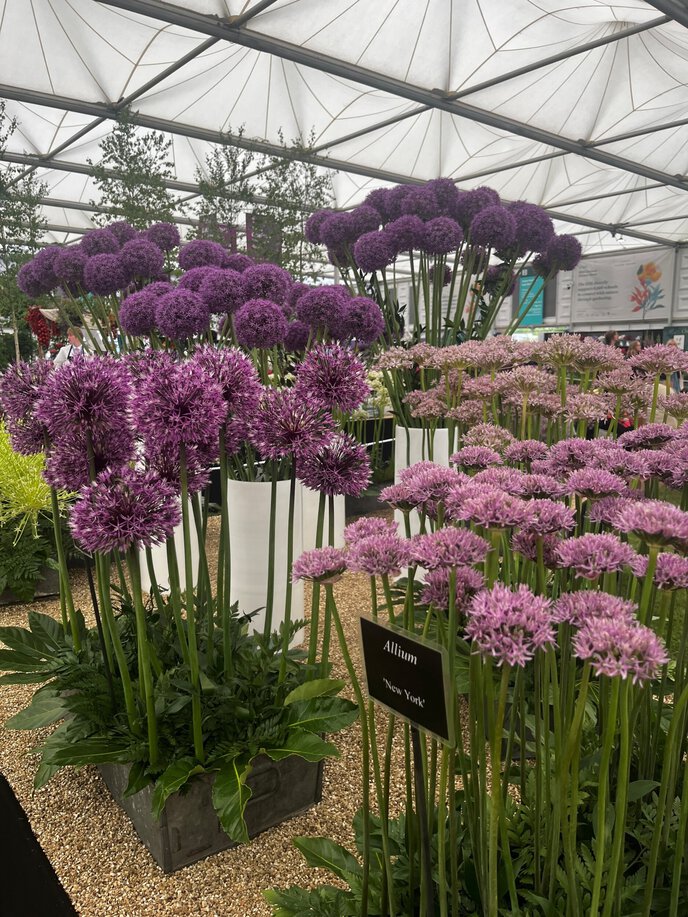
The classic Chelsea stalwarts are out in force: delphiniums, irises, alliums and roses filling the Pavilion with the kind of abundance that never gets old. But it is the Plant of the Year shortlist that is generating the most conversation. Standout contenders include a dark-red Anisodontea that flowers from late spring through winter, a groundbreaking grey-blue Cercis with year-round appeal, and a genuinely perennial Antirrhinum, a variety that has long been treated as an annual but finally has the staying power to match its charm. A ground-hugging Hydrangea paniculata that shifts from white through pink to deep ruby as the season progresses rounds out a shortlist full of plants with real practical value alongside their beauty.
The broader mood in the Pavilion mirrors the show gardens outside: an appetite for plants that earn their place over a long season, perform in challenging conditions, and bring genuine character to smaller spaces. Chelsea is clearly in a practical as well as beautiful frame of mind this year.
outdoor living: what chelsea is telling us about how we want to use our gardens
Beyond the individual gardens, certain ideas about how we want to use outdoor space are running through the entire show this year.
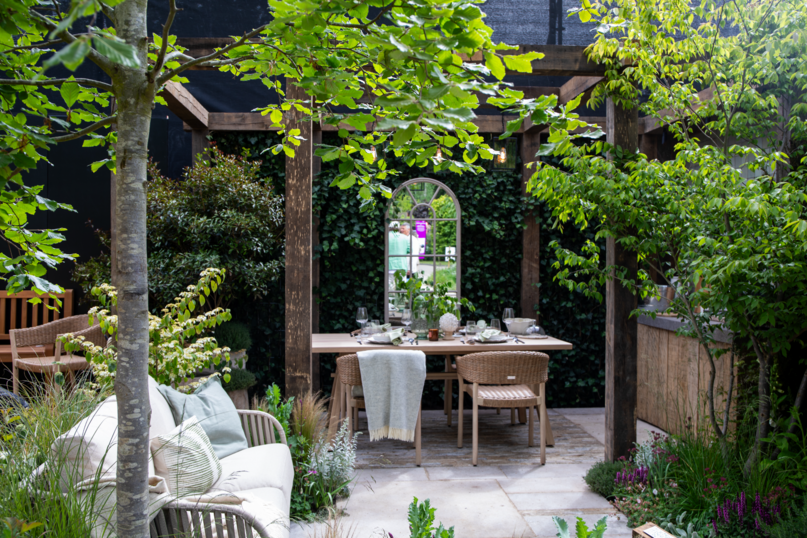
The sustained expansion of outdoor living, accelerated by the pandemic years, shows no sign of reversing. But the conversation has matured. It is no longer simply about extending the home outward; it is about creating spaces that function seamlessly, feel genuinely considered, and hold up beautifully over time.
Several recurring ideas are particularly relevant for anyone thinking about their outdoor space:
Zoning without division
The best show gardens here use changes in level, material and planting to define distinct zones (a dining space, a quiet corner, a more active entertaining area) without hard separation. A terrace defines a space; planting softens it; the result feels cohesive rather than compartmentalised.
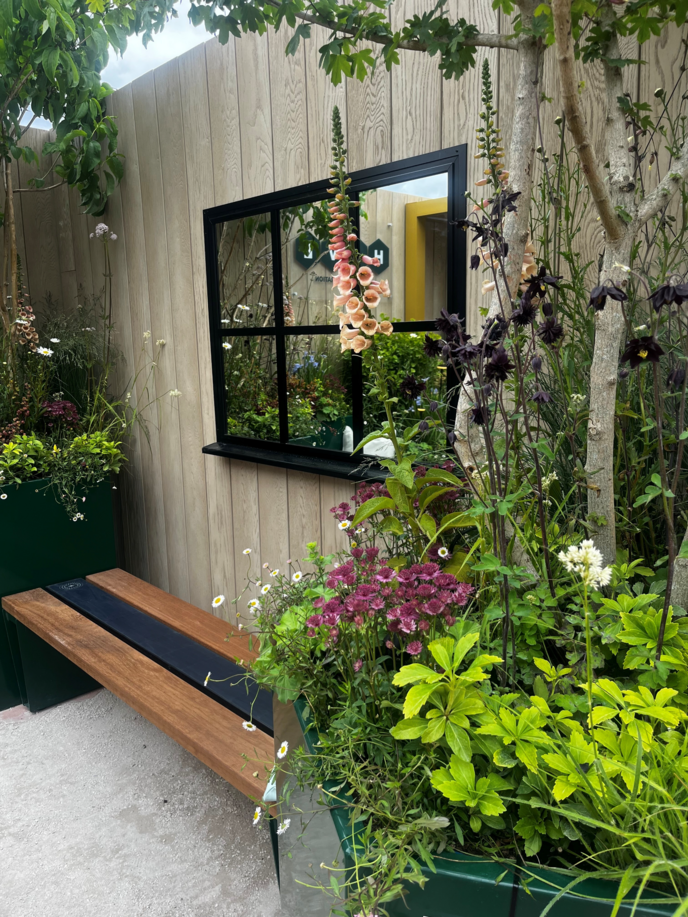
Material texture matters as much as colour
Across the show, the most compelling spaces are those where materials have genuine textural depth, where surfaces carry the kind of warmth and variation that makes a garden feel inhabited rather than installed. Natural-looking finishes are consistently present in the most admired gardens.
Structure as a canvas for nature
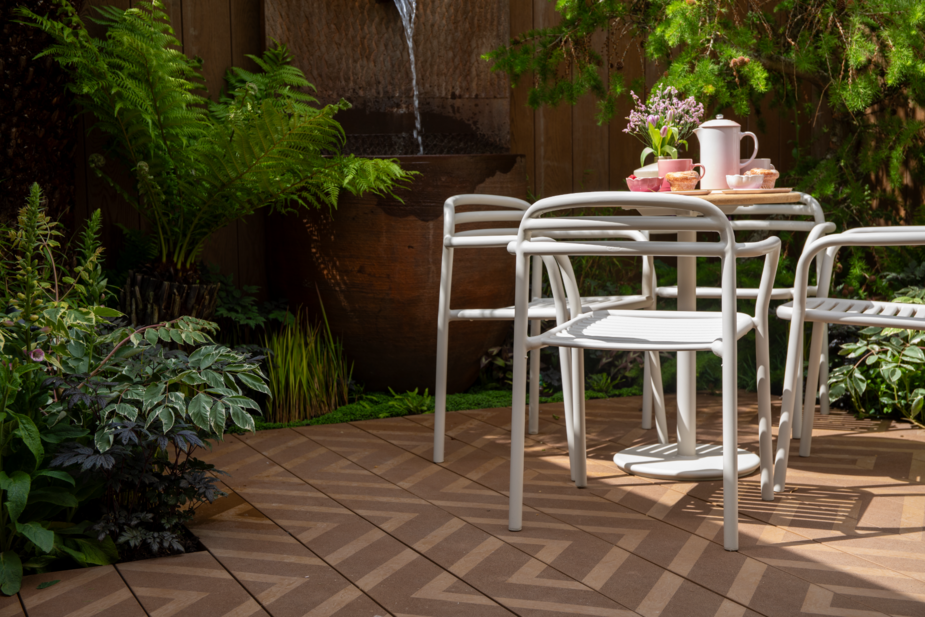
The Chelsea message is consistent: precise, well-made structure doesn’t compete with planting, it showcases it. A beautifully laid deck or terrace becomes the stage on which seasonal planting performs.
At Millboard, this is something we think about constantly. The best decking is the kind that disappears into its setting, providing a foundation so considered in its texture, tone and character that it draws attention not to itself, but to the space around it.
Our Coppered Oak Enhanced Grain and Modello Linear boards, on show this week at the Garden House Design stand, sit beautifully within the warm, earthy palette running through so much of Chelsea 2026. That same interplay of rich natural tone and tactile depth that the best designers here are using to such effect. It is exactly the kind of material story that Chelsea tells so well.
a word about what makes chelsea chelsea
We would be doing a disservice to this show if we reduced it to a trend report. Chelsea is something more than that.
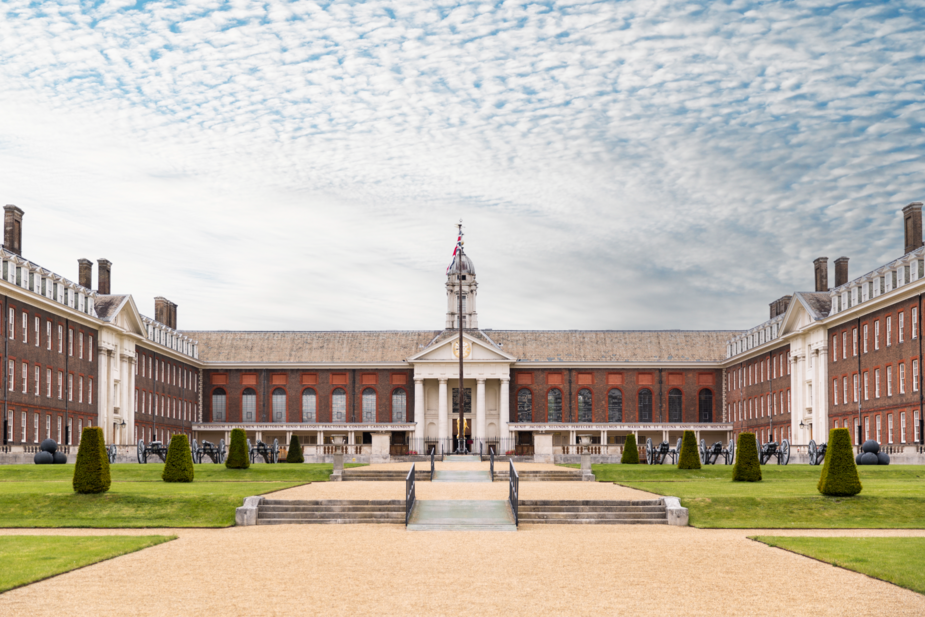
It is an event with genuine emotional weight, one that has been drawing designers, growers, horticulturalists and garden lovers to the grounds of the Royal Hospital Chelsea for well over a century. It exists to demonstrate that gardens matter: to wellbeing, to community, to the environment, to culture. Every garden here carries a story that extends beyond the showground, most of them destined for hospitals, community spaces or public parks where they will go on serving people long after the press coverage has moved on.
For those of us who work in the outdoor living industry, being part of this world, even at the edges of it, is something we don’t take lightly.
This year, we are proud to be part of the world’s greatest stage for garden design once again. Millboard features across several spaces at the showground, returning for the third consecutive year as a product partner of Garden House Design at Stand 337, and appearing on the British Association of Landscape Industries stand, in the Colicci food zone, with The Glasshouse Collective at the Killik Barn, and within Spacelift’s debut at this year’s show. It is a privilege to play a part in an event that means so much to this industry.
The show reminds us, every year, of why what we do matters. Gardens are not a luxury. They are, as the RHS puts it,
a place where we nurture nature and, in turn, where nature nurtures us.
We’ll be sharing more from Chelsea across our social channels this week. Follow along at:
- Instagram: @millboard_live_life_outside
- LinkedIn: linkedin.com/company/the-millboard-company
- YouTube: youtube.com/channel/UCSvCnwAb4h1VdPVoFMKKRpw
- Pinterest: pinterest.com/millboarddeck
Thinking about transforming your own outdoor space? Visit our case studies for inspiration.